Scleroderma
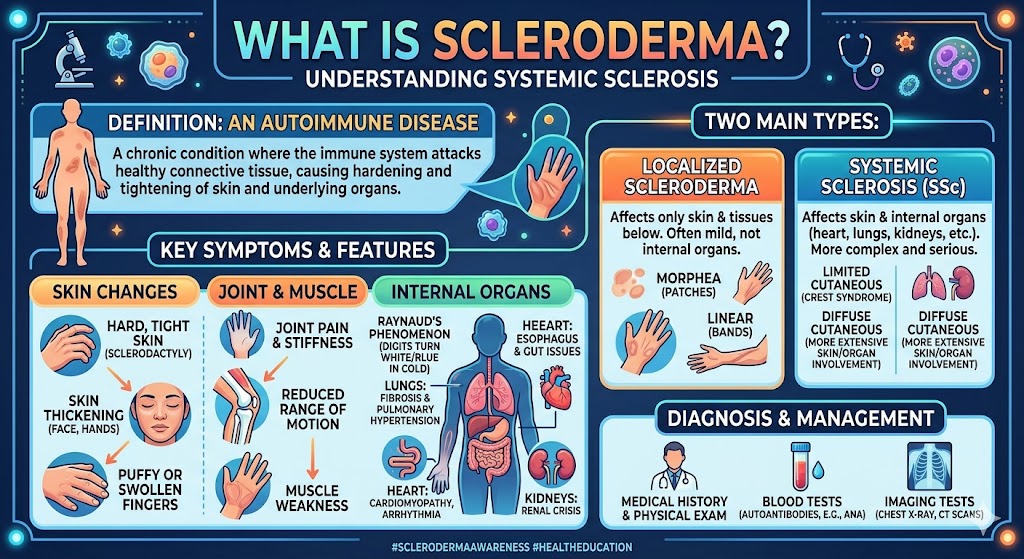
Scleroderma is most commonly known as Systemic Sclerosis (or SSc) when it affects the whole body. Other names for the condition include Progressive Scleroderma and Familial Progressive Scleroderma. Many individuals are unfamiliar with scleroderma, a chronic autoimmune disease affecting connective tissue. You will understand its complexities, from the underlying causes and varied symptoms to comprehensive management strategies. This post offers you insight into a condition that impacts many lives, guiding you through its identification and care.

Key Takeaways:
- Scleroderma is a complex autoimmune disease, characterized by the hardening and tightening of skin and connective tissues. Its exact cause remains unknown, though a combination of genetic predisposition and environmental triggers is suspected.
- The disease presents in various forms, including localized scleroderma (linear scleroderma, morphea) primarily affecting the skin and systemic scleroderma (diffuse, limited, CREST syndrome), which can impact internal organs like the lungs, heart, kidneys, and digestive tract.
- Symptoms vary widely depending on the type and severity, ranging from skin changes and Raynaud’s phenomenon to joint pain, fatigue, digestive issues, and potential organ damage. Early diagnosis is important for managing progression.
- Conventional scleroderma treatment focuses on managing symptoms, preventing complications, and slowing disease progression. This includes medications to suppress the immune system, improve blood flow, and address specific organ involvement.
- Holistic management approaches complement conventional care by addressing the whole person. These strategies often incorporate lifestyle modifications, dietary changes, stress reduction techniques, and physical therapy to improve quality of life.
- Natural and homeopathic treatments, while not a cure, may offer supportive benefits for symptom relief in some individuals. These can include anti-inflammatory diets, specific supplements, acupuncture, and mind-body practices but should always be discussed with a healthcare provider.
- Living with scleroderma requires a comprehensive, individualized treatment plan. Collaboration between specialists, patient self-management, and a focus on overall well-being are key to effectively managing this chronic condition.
Pathogenesis and Etiology of Scleroderma
Understanding the underlying mechanisms that lead to scleroderma is important for effective management. This complex connective tissue disease involves a multifaceted interplay of genetic susceptibility, environmental exposures, and a dysregulated immune response, all contributing to the characteristic fibrosis and vascular damage you observe. The exact sequence of events that triggers this cascade remains an active area of research, but we can explore the known contributing factors. The development of scleroderma is not attributed to a single cause but rather a convergence of various elements that disrupt the body’s normal regulatory processes. You’ll find that the disease is characterized by an overproduction of collagen, leading to the hardening and thickening of tissues, a process initiated by persistent inflammation and damage to small blood vessels. This intricate dance between your genetic makeup and external triggers ultimately dictates the disease’s onset and progression. Many theories attempt to explain the precise origins of scleroderma, yet a definitive singular cause remains elusive. Researchers continue to investigate how certain genetic variations, when combined with specific environmental exposures, can tip the immune system into an autoreactive state, leading to the chronic inflammation and widespread fibrosis that define this condition. Pinpointing these interactions is key to developing more targeted therapeutic strategies for you.

Genetic Predispositions
Your genetic background plays a significant, though not exclusive, role in determining your susceptibility to scleroderma. While the disease is not directly inherited in a simple Mendelian fashion, certain genes are known to increase the risk. For instance, specific variations within the human leukocyte antigen (HLA) complex, particularly HLA-DRB1 alleles, have been consistently linked to an elevated risk of developing scleroderma. Family studies indicate a higher prevalence of scleroderma among individuals with a first-degree relative who also has an autoimmune disease. This suggests a shared genetic vulnerability to autoimmune conditions in general, rather than a direct inheritance of scleroderma itself. You might consider it interesting that while a genetic predisposition exists, only a small percentage of individuals with these genetic markers will actually develop the disease. Numerous other genes beyond the HLA complex are under investigation for their potential contributions to scleroderma susceptibility. Genes involved in immune regulation, collagen production, and vascular health are all being examined for variations that could predispose you to the condition. This complex genetic landscape highlights the multifactorial nature of the disease’s origins.
Environmental and Autoimmune Triggers
External factors often act as crucial triggers, interacting with your genetic predispositions to initiate scleroderma. Exposure to certain environmental agents, such as silica dust, has been strongly associated with an increased risk of developing the disease, particularly in occupational settings. You might recall discussions about specific chemical exposures in prior health contexts. Viral infections are another potential environmental trigger that researchers are actively investigating. It is hypothesized that certain viruses could initiate an autoimmune response in genetically susceptible individuals, leading to the development of scleroderma. Your immune system, in attempting to fight off the infection, may mistakenly target your tissues. The autoimmune component is central to scleroderma, where your immune system mistakenly attacks healthy tissues, leading to inflammation and fibrosis. This dysregulation results in the overproduction of collagen by fibroblasts, the cells responsible for tissue repair, ultimately causing the skin thickening and organ damage characteristic of the disease. This chronic immune activation is a hallmark of the condition. Further understanding of environmental triggers shows that certain medications, like bleomycin and some appetite suppressants, also contribute to scleroderma-like conditions. Furthermore, exposure to organic solvents such as trichloroethylene has also been linked to an increased risk. This suggests that various external factors, beyond just infections, can contribute to the complex etiology of scleroderma, making a thorough environmental history an important part of your diagnostic process.
Clinical Classifications and Variants of Scleroderma

Scleroderma presents in various forms, each with distinct characteristics and potential impacts on your body. Understanding these classifications is important for accurate diagnosis and tailoring effective management strategies. You will find that the two primary categories are localized and systemic scleroderma, with systemic forms being more complex due to their widespread effects.
Recognizing the specific type of scleroderma you have allows healthcare providers to anticipate potential complications and guide your treatment plan. Some forms, like linear scleroderma, primarily affect the skin and underlying tissues in a distinct band, while others, such as Systemic Scleroderma, can impact internal organs, presenting a broader set of challenges.
Your journey with scleroderma begins with a clear understanding of its classification, as this knowledge empowers you to participate actively in your care. This detailed categorization helps differentiate between conditions that might appear similar but require vastly different approaches to treatment and long-term management.
Localized vs. generalized forms
You may wonder about the difference between localized and generalized forms of scleroderma, as this distinction is fundamental to understanding your condition. Localized scleroderma primarily affects the skin and underlying tissues, often appearing in specific areas without impacting internal organs. This category includes types like linear scleroderma, where the skin changes occur in a band-like pattern.
Generalized forms, also known as Systemic Scleroderma, extend beyond the skin, potentially affecting various internal organs such as the heart, lungs, kidneys, and digestive tract. This systemic involvement makes generalized scleroderma harder to manage, often requiring a team of specialists to address its many effects.
Your specific symptoms and the extent of organ involvement will determine whether your scleroderma is classified as localized or generalized. This categorization directly influences the type of monitoring, medications, and therapeutic interventions your healthcare team will recommend to manage your condition effectively.

Understanding the CREST variant
The CREST variant represents a specific type of Systemic Scleroderma, characterized by a unique cluster of symptoms. Knowing about CREST scleroderma is important because it highlights a particular constellation of five distinct features that can help in diagnosis and prognosis. This variant is often considered a limited form of systemic scleroderma, as its progression tends to be slower and less severe than diffuse systemic scleroderma.
You will find that CREST is an acronym, with each letter representing a specific clinical manifestation. C stands for Calcinosis, which involves calcium deposits under the skin. R denotes Raynaud’s phenomenon, a condition where blood vessels in the fingers and toes constrict in response to cold or stress. E signifies esophageal dysfunction, which causes difficulty swallowing.
S represents Sclerodactyly, a thickening and tightening of the skin on the fingers and toes. T refers to Telangiectasias, which are small, dilated blood vessels visible on the skin. Understanding these individual components of CREST scleroderma provides a comprehensive picture of what you might experience with this particular variant.
The presence of these five specific symptoms – Calcinosis, Raynaud’s phenomenon, Esophageal dysfunction, Sclerodactyly, and Telangiectasias – collectively defines CREST scleroderma. While it is a form of Systemic Scleroderma, its limited nature often means a better prognosis compared to other, more widespread forms, though individual experiences can vary significantly.
Identifying Clinical Manifestations of Scleroderma
Recognizing the diverse array of scleroderma symptoms is paramount for timely diagnosis and effective management. You will notice that scleroderma presents with a highly variable clinical picture, affecting individuals differently based on the type of scleroderma and the specific organs involved. Early identification of these manifestations allows for interventions that can slow disease progression and improve your quality of life, which is why understanding the specific signs is so important. Your doctor will look for a combination of symptoms, ranging from subtle skin changes to significant internal organ dysfunction. The disease’s impact can be widespread, making a comprehensive evaluation imperative to accurately characterize your condition. A thorough understanding of how scleroderma can manifest helps you and your healthcare team create a personalized treatment plan. Understanding the progression of these symptoms is also key. Initially, you might experience mild, non-specific symptoms, which can gradually evolve into more distinct and severe manifestations. Paying close attention to any new or changing symptoms is crucial for effectively managing your scleroderma.
Cutaneous and dermatological changes
You will likely first notice skin changes, which are among the most common and visible symptoms of scleroderma. The hallmark is skin thickening and hardening, often starting in the fingers and hands, a condition known as sclerodactyly. This thickening can make it difficult to bend your fingers and perform daily tasks. Observing your skin, you might also see changes in skin color, with areas becoming lighter or darker. Telangiectasias, which are small, dilated blood vessels resembling spider veins, frequently appear on your face, hands, and chest. These red spots are a common dermatological finding in scleroderma. Raynaud’s phenomenon is another prominent cutaneous symptom, causing your fingers and toes to turn white, then blue, and then red in response to cold or stress. This phenomenon is often one of the earliest symptoms you might experience, sometimes appearing years before other scleroderma manifestations. Ulcers on your fingertips, known as digital ulcers, can also develop due to poor circulation.
Internal organ and vascular involvement
Scleroderma’s impact extends beyond the skin, significantly affecting various internal organs and your vascular system. You may experience gastrointestinal issues, such as difficulty swallowing (dysphagia) or acid reflux, due to the hardening of tissues in the esophagus. The digestive tract is a common target for scleroderma, leading to a range of symptoms. Your lungs can also be affected, with pulmonary fibrosis (scarring of the lung tissue) and pulmonary hypertension (high blood pressure in the arteries to the lungs) as serious complications. These conditions can lead to shortness of breath and decreased exercise tolerance, significantly impacting your daily activities. Regular monitoring of your lung function is therefore vital. The heart can also be involved, leading to conditions like pericarditis (inflammation of the sac around the heart) or myocardial fibrosis (scarring of the heart muscle), which can affect its pumping ability. Kidney involvement, while less common, can manifest as scleroderma renal crisis, a serious and rapid increase in blood pressure that requires immediate medical attention. You must be aware that this wide range of internal organ involvement underscores the systemic nature of scleroderma. You should know that the widespread vascular changes inherent in scleroderma contribute significantly to these internal organ issues. The narrowing and hardening of blood vessels can restrict blood flow to various organs, exacerbating the damage and dysfunction seen in the lungs, heart, and kidneys. This vascular involvement is a critical component of the disease’s pathology, impacting everything from the development of digital ulcers to the severity of pulmonary hypertension.
Conventional Medical Management
Understanding the conventional medical approach to scleroderma is crucial for a comprehensive management plan. Your doctor will likely focus on managing symptoms, preventing further organ damage, and improving your quality of life. Treatment strategies are highly individualized, depending on the specific type of scleroderma you have, the organs affected, and the severity of your symptoms. Your medical team will conduct regular assessments to monitor disease progression and adjust your treatment as needed. This often involves a multidisciplinary approach, with specialists like rheumatologists, dermatologists, gastroenterologists, and pulmonologists working together to address the different manifestations of the disease. Early diagnosis and intervention are key to slowing the progression of scleroderma and minimizing its long-term impact on your health. Maintaining open communication with your healthcare providers about your symptoms and any concerns you have is incredibly important. They can guide you through the available treatment options, explain potential side effects, and help you make informed decisions about your care. This partnership ensures you receive the most effective and personalized conventional medical management for your scleroderma.

Pharmacological Interventions
Pharmacological interventions aim to address specific symptoms and slow disease progression in scleroderma. Your doctor might prescribe immunosuppressants, such as methotrexate or mycophenolate mofetil, to reduce inflammation and suppress the overactive immune system, especially in cases of systemic scleroderma affecting internal organs. These medications work by dampening the immune response that contributes to the fibrosis characteristic of scleroderma. You may also receive vasodilators, like calcium channel blockers or phosphodiesterase-5 inhibitors, to improve blood flow and manage Raynaud’s phenomenon, a common symptom causing cold and numb fingers and toes. These drugs help to relax blood vessels, reducing the frequency and severity of vasospasms. Other medications, such as proton pump inhibitors, are often prescribed to manage gastroesophageal reflux disease, another frequent manifestation of scleroderma. Your treatment plan could include antifibrotic agents, which are currently being investigated and used to target the excessive collagen production that leads to skin thickening and organ damage. These newer therapies offer promise in directly addressing the underlying fibrotic process. Your medical team will carefully consider the best combination of drugs for your individual needs.
Physical and Occupational Therapy
Physical therapy plays a crucial role in maintaining joint mobility and muscle strength for individuals with scleroderma. You will learn specific exercises designed to improve range of motion in affected joints, particularly in your hands and fingers, which are often impacted by skin tightening. These exercises can help you prevent contractures and preserve your ability to perform daily tasks. Occupational therapy focuses on adapting your environment and teaching you techniques to manage daily activities with greater ease. Therapists can recommend assistive devices, such as specialized utensils or dressing aids, to compensate for limitations caused by skin tightening or joint stiffness. This personalized approach helps you maintain independence and improve your overall quality of life. Regular sessions with a physical or occupational therapist can significantly improve your functional abilities and reduce pain associated with scleroderma. They will work with you to develop a personalized exercise program and strategies for managing fatigue and conserving energy throughout your day. Your therapist might also introduce techniques like stretching and massage to improve skin elasticity and reduce tightness. They can educate you on proper body mechanics to minimize strain on your joints and muscles and provide guidance on maintaining good posture. Customized splints or orthotics may be recommended to support affected joints and prevent deformities, especially in the hands and feet.
Holistic Management of Scleroderma
1. Medical Foundation & Physical Therapy
-
- Medication: Immunosuppressants, anti-inflammatory drugs, and vasodilators are routinely prescribed to slow disease progression and improve blood flow.
- Physical & Occupational Therapy: Critical for maintaining mobility, preventing joint contractures, and keeping the skin supple. Home range-of-motion exercises are vital.
- Connect with Experts: Partner with specialized centers such as the Penn Medicine Scleroderma Center in Philadelphia, PA, for multidisciplinary, state-of-the-art care.
2. Raynaud’s & Circulation Management
-
- Layering & Protection: Wear mittens or insulated gloves and warm socks.
- Smoking Cessation: Essential, as nicotine causes blood vessels to contract and permanently narrows them.
- Supplements: Omega-3 fatty acids and Vitamin E are often explored to help improve blood flow and cold tolerance, though you should always discuss these with your doctor first.
3. Gastrointestinal (GI) & Nutritional Support
-
- Reflux Management: Avoid late-night meals and elevate the head of your bed to prevent stomach acid from backing up.
- Dietary Adjustments: Focus on fresh, antioxidant-rich foods and healthy fats (like olive oil). Eliminate refined sugars and heavily processed foods.
- Caution with Fiber: If you experience lower bowel motility issues or pseudo-obstructions, increase dietary fiber cautiously and under medical supervision to prevent severe abdominal pain. [1]
4. Skin Care & Scar Management
-
- Moisturize Heavily: Use thick, emollient lotions, raw coconut oil, or shea butter multiple times a day.
- Environment: Use a humidifier in dry weather and avoid long, hot showers that can strip the skin of its natural oils.
- Gentle Cleansing: Avoid strong household chemicals and harsh, drying soaps. [1, 2, 3]
5. Mind-Body Practices & Wellness
-
- Stress Reduction: Practices like yoga, meditation, and biofeedback help improve both physical function and mental well-being.
- Community & Support: Engaging with patient networks like the Scleroderma Foundation provides excellent resources, local support groups, and coping strategies.
Can Traditional Chinese Medicine help Scleroderma?
Instead of only attempting to alleviate symptoms, TCM treatment for scleroderma focuses more on addressing the underlying causes of the illness. An acupuncturist will take a thorough look at the patient, listen intently to all of their symptoms, even those that might appear unrelated, check their pulse, and make other observations before determining which diagnostic pattern might be relevant.

TCM theory states that symptoms of scleroderma could result from:
- Stasis of blood
- Yang insufficiency
- Yang or Qi deficit in the kidneys
- Damp heat from the liver and gallbladder
- Deficiency of liver blood
- Liver triumph
- Deficiency of the spleen yang
- Cold, wind, and/or moisture stagnation
Using acupuncture and herbs, the TCM practitioner will then develop a treatment plan based on the diagnosis to address the underlying problem. Herbs, for instance, can relieve scleroderma-related skin disorders by moving stagnant blood. Herbs can even lessen the hardness of the skin by preventing the formation of collagen.
It has been demonstrated that acupuncture can lessen the frequency of Raynaud’s attacks.
Moxibustion therapy can also alleviate Raynaud’s phenomenon symptoms.
Since stress can exacerbate symptoms, using acupuncture to relieve it is also essential to treating scleroderma.
When scleroderma in the digestive tract has caused esophageal strictures, acupuncture can assist in minimizing reflux. It can also help improve renal function when fibrosis has affected the kidneys.
TCM herbal remedies for scleroderma will be customized to meet the demands of every patient. Herbs can be utilized to activate Qi and stagnant blood, eliminate moisture, and warm and feed the organs.
Homeopathic Treatment for Scleroderma
By concentrating on reestablishing equilibrium within the body’s immunological system, homeopathic treatment for scleroderma adopts a comprehensive, customized strategy to managing the illness. Homeopathy aims to increase skin suppleness, reduce inflammation, and improve connective tissue function by stimulating the body’s natural healing processes rather than just treating symptoms. This method works especially well because it takes into account each patient’s individual scleroderma development.
Homeopathic remedies are carefully chosen to address the individual’s unique symptoms and constitutional demands because scleroderma can vary greatly in severity and progression. Furthermore, these treatments are natural, non-toxic, and devoid of harsh chemicals, providing a sustainable and safe alternative for long-term management without the possibility of negative side effects that are usually associated with traditional treatments.
In homeopathy, practitioners do not prescribe a universal medicine for scleroderma. Instead, they look at the “totality of symptoms”—including physical, emotional, and psychological traits—to select an individualized “constitutional remedy.”

- Silicea: Often considered in historical texts for conditions involving the induration (hardening) of connective tissues.
- Argentum nitricum: Sometimes referenced by practitioners looking at skin changes paired with specific anxiety patterns.
- Rhus radicans: Mentioned in isolated case studies tracking localized skin thickening (morphea).
To wrap up
Now, understanding scleroderma requires recognizing its complexity, presenting as either localized or systemic forms. Localized scleroderma, often affecting the skin and underlying tissues, manifests as morphea or linear scleroderma, generally having a milder progression. Systemic scleroderma, conversely, is more widespread, impacting internal organs and presenting with symptoms such as Raynaud’s phenomenon, skin thickening, and potential damage to the lungs, heart, or kidneys. While the precise cause remains elusive, a combination of genetic predisposition and environmental triggers is believed to initiate this autoimmune disorder. Your journey with scleroderma begins with an accurate diagnosis and a comprehensive understanding of its specific presentation.
Managing scleroderma effectively demands a collaborative, personalized strategy. Conventional medical treatments aim to control symptoms and slow disease progression, often using immunosuppressants, vasodilators, and antifibrotic agents. You will work closely with specialists, including rheumatologists, dermatologists, and organ-specific experts, to tailor a treatment plan addressing your unique manifestations. Regular monitoring through various tests, such as pulmonary function tests, echocardiograms, and blood work, helps track disease activity and adjust therapies as needed. This medical framework provides the foundational support for managing your condition.
Integrating natural and lifestyle interventions complements conventional medical care, offering you additional avenues for symptom relief and improved quality of life. Dietary modifications, stress reduction techniques like mindfulness or yoga, and regular, gentle exercise can significantly impact your well-being. Specific supplements, under medical supervision, might address nutrient deficiencies or support organ function. For instance, some individuals find relief from Raynaud’s phenomenon through warmth management and certain natural vasodilators. This holistic approach, combining expert medical care with proactive self-management, empowers you to actively participate in your health journey with scleroderma.
FAQ

Q: What is Scleroderma, and what are its primary types?
A: Scleroderma, meaning “hard skin,” is a chronic autoimmune disease characterized by the overproduction of collagen. This excessive collagen leads to hardening and tightening of the skin and connective tissues. The condition can also affect internal organs, including blood vessels, the digestive tract, lungs, kidneys, and heart.
There are two main categories of scleroderma: localized scleroderma and systemic scleroderma.
- Localized Scleroderma: This form primarily affects the skin and underlying tissues, muscle, or bone but does not involve internal organs. Types of localized scleroderma include:
- Morphea: Characterized by waxy, hardened patches of skin that can be oval-shaped or linear.
- Linear Scleroderma: Presents as a single line or band of thickened skin, often on an arm, leg, or the forehead (known as “en coup de sabre”). This type can affect deeper tissues and bone.
- Systemic Scleroderma (Systemic Sclerosis): This more severe form affects not only the skin but also internal organs. Systemic scleroderma further divides into:
- Limited Cutaneous Systemic Sclerosis (CREST Syndrome): This form typically involves skin thickening on the fingers, hands, and face. It is associated with a specific set of symptoms: Calcinosis (calcium deposits under the skin), Raynaud’s phenomenon (spasm of blood vessels in fingers and toes), Esophageal dysfunction (difficulty swallowing), Sclerodactyly (thickening of finger skin), and Telangiectasias (red spots caused by dilated capillaries).
- Diffuse Cutaneous Systemic Sclerosis: This type involves widespread skin thickening on the trunk, upper arms, and thighs, in addition to the extremities and face. It often progresses more rapidly and carries a higher risk of serious internal organ involvement.
Q: What are the known causes of Scleroderma, and is it hereditary?
A: The exact causes of scleroderma remain unknown. Researchers believe it results from a complicated interaction between genetic predisposition and environmental triggers. Scleroderma is an autoimmune disease, meaning the body’s immune system mistakenly attacks its own healthy tissues, leading to overproduction of collagen.
Genetic factors play a role, as individuals with a family history of autoimmune diseases may have an increased risk. However, scleroderma is not directly inherited in a simple Mendelian pattern. Specific genes, such as those related to immune function (e.g., HLA genes), have been associated with an increased susceptibility. Environmental factors, including exposure to certain chemicals (like silica dust or organic solvents) or viruses, are thought to trigger the disease potentially in genetically predisposed individuals. A definitive single cause has not been identified.
Q: What are the common symptoms of Scleroderma across its various forms?
A: Scleroderma symptoms vary widely depending on the type and severity of the disease and which organs are affected. Skin changes are often the most noticeable initial symptom.
Common symptoms include:
- Skin Thickening: The hallmark symptom, presenting as hardened, tight, shiny patches or bands of skin. This can lead to reduced range of motion in affected joints.
- Raynaud’s Phenomenon: A common early symptom, where fingers and toes turn white, then blue, then red in response to cold temperatures or stress. This condition occurs due to spasms of small blood vessels.
- Joint Pain and Stiffness: Arthritis-like pain, stiffness, and swelling in the joints, particularly in the hands and wrists.
- Muscle Weakness: Some individuals experience muscle weakness and fatigue.
- Digestive Issues: Difficulty swallowing (dysphagia), acid reflux (heartburn), bloating, constipation, or diarrhea due to involvement of the esophagus and intestines.
- Lung Problems: Shortness of breath, persistent cough, and decreased lung function due to interstitial lung disease or pulmonary hypertension. These are serious complications.
- Kidney Problems: In some cases, scleroderma can lead to kidney crisis, characterized by sudden high blood pressure and rapid kidney failure.
- Heart Problems: Inflammation of the heart muscle (myocarditis), pericarditis (inflammation of the sac around the heart), or arrhythmias.
- Telangiectasias: Small red spots on the skin caused by dilated blood vessels, often seen on the face and hands.
- Calcinosis: Calcium deposits forming under the skin, often on fingers, elbows, and other pressure points, which can be painful and lead to skin breakdown.
- Fatigue: A pervasive feeling of tiredness and lack of energy is common.
Q: How is Scleroderma diagnosed, and what diagnostic tools are used?
A: Diagnosing scleroderma can be challenging due to its varied presentation and the gradual onset of symptoms. A diagnosis typically involves a comprehensive evaluation by a rheumatologist, combining a detailed medical history, physical examination, and specific diagnostic tests.
Diagnostic tools include:
- Physical Examination: The doctor will assess skin changes (thickness, texture, color), joint mobility, and look for signs like Raynaud’s phenomenon or telangiectasias.
- Blood Tests:
- Antinuclear Antibodies (ANA): Most people with systemic scleroderma test positive for ANA.
- Scleroderma-Specific Antibodies: Specific antibodies, such as anti-centromere antibodies (often associated with CREST syndrome) and anti-Scl-70 (topoisomerase I) antibodies (often associated with diffuse systemic sclerosis), help classify the type of scleroderma and predict potential organ involvement.
- Erythrocyte Sedimentation Rate (ESR) and C-Reactive Protein (CRP): These tests measure inflammation levels.
- Nailfold Capillaroscopy: This non-invasive procedure uses a microscope to examine the tiny blood vessels (capillaries) at the base of the fingernails. Abnormalities in these capillaries are characteristic of scleroderma.
- Skin Biopsy: A small sample of skin is removed and examined under a microscope to confirm the presence of excessive collagen and other characteristic changes. This method is less frequently used for systemic scleroderma diagnosis but can be helpful for localized forms.
- Organ Function Tests:
- Pulmonary Function Tests (PFTs) and Chest CT Scan: To assess lung function and check for interstitial lung disease or pulmonary hypertension.
- Echocardiogram and Electrocardiogram (ECG): To evaluate heart function and detect any heart involvement.
- Esophageal Manometry and Barium Swallow: To assess esophageal function and identify swallowing difficulties.
- Kidney Function Tests: Blood and urine tests to monitor kidney health.
Q: What are the conventional medical treatments for Scleroderma?
A: There is currently no cure for scleroderma. Conventional medical treatments focus on managing symptoms, preventing organ damage, and improving quality of life. Treatment plans are highly individualized, tailored to the specific symptoms and organ involvement of each patient.
Common conventional treatments include:
- Immunosuppressants: Medications like methotrexate, mycophenolate mofetil, cyclophosphamide, or rituximab are used to suppress the overactive immune system, particularly when there is significant internal organ involvement (e.g., lung disease).
- Corticosteroids: Prednisone may be used to reduce inflammation, especially during periods of active disease, but long-term use is limited due to potential side effects.
- Vasodilators: Medications such as calcium channel blockers (e.g., nifedipine) and phosphodiesterase-5 inhibitors (e.g., sildenafil) help widen blood vessels, improving blood flow and managing Raynaud’s phenomenon and pulmonary hypertension.
- Anti-fibrotic Medications: Nintedanib and pirfenidone are approved for treating interstitial lung disease in scleroderma, aiming to slow the progression of lung scarring.
- Proton Pump Inhibitors (PPIs): Medications like omeprazole or lansoprazole are prescribed to reduce stomach acid and manage acid reflux and heartburn.
- Pain Relievers: Over-the-counter or prescription pain medications, including NSAIDs (non-steroidal anti-inflammatory drugs) or stronger analgesics, manage joint pain.
- Physical and Occupational Therapy: These therapies are vital for maintaining joint flexibility, improving range of motion, and strengthening muscles, helping to manage skin tightening and its impact on daily activities.
- Skin Care: Moisturizers and topical corticosteroids can help manage dry, itchy, or inflamed skin.
- Surgery: In rare cases, surgery may be necessary to remove calcinosis deposits or address severe complications.
Q: Are there natural or holistic approaches that can complement conventional Scleroderma treatment?
A: Many individuals with scleroderma explore natural treatments and holistic management strategies to complement their conventional medical care. These approaches aim to alleviate symptoms, reduce inflammation, support overall well-being, and improve quality of life. It is crucial to discuss any complementary therapies with a healthcare provider to ensure they are safe and do not interfere with prescribed medications.
Some natural and holistic approaches include:
- Dietary Modifications: An anti-inflammatory diet rich in fruits, vegetables, whole grains, and lean proteins can be beneficial. Avoiding processed foods, excessive sugar, and potential food triggers may help reduce inflammation. Some individuals find relief by identifying and eliminating specific food sensitivities.
- Nutritional Supplements:
- Omega-3 Fatty Acids: Found in fish oil, these have anti-inflammatory properties and may help with joint pain and Raynaud’s phenomenon.
- Vitamin: D: Many autoimmune conditions are associated with low vitamin D levels. Supplementation may support immune function.
- Probiotics: These can support gut health, which is often affected in scleroderma, potentially improving digestion and immune regulation.
- Antioxidants: Vitamins C and E and selenium may help protect cells from damage.
- Herbal Remedies: Certain herbs are recognized for their anti-inflammatory or immune-modulating properties. Examples include turmeric, ginger, Boswellia, and green tea. Always consult a qualified herbalist or doctor, as some herbs can interact with medications.
- Stress Management Techniques: Stress can exacerbate autoimmune symptoms. Practices like meditation, yoga, deep breathing exercises, mindfulness, and gentle tai chi can help reduce stress and improve mental well-being.
- Regular, Gentle Exercise: Maintaining physical activity, such as walking, swimming, or stretching, helps preserve joint mobility, improve circulation, and reduce stiffness. Tailored exercise programs from a physical therapist are often recommended.
- Acupuncture: Some individuals find acupuncture helpful for pain management, improving circulation (especially for Raynaud’s), and reducing stress.
- Massage Therapy: Gentle massage can help improve blood circulation, reduce muscle tension, and potentially improve skin elasticity in affected areas.
- Homeopathic Treatment: Homeopathy uses highly diluted substances to stimulate the body’s self-healing mechanisms. A qualified homeopath selects remedies based on an individual’s specific symptoms and constitution. While some people report benefits, scientific evidence supporting homeopathy for scleroderma is limited.
Q: What lifestyle adjustments are beneficial for managing Scleroderma symptoms?
A: Making specific lifestyle adjustments can significantly improve symptom management and overall quality of life for individuals living with scleroderma. These changes focus on protecting the body, reducing triggers, and supporting well-being.
Beneficial lifestyle adjustments include:
- Protecting Against Cold Exposure: For Raynaud’s phenomenon, keeping warm is vital. Wear layers of clothing, gloves, warm socks, and a hat, even indoors if necessary. Avoid sudden temperature changes.
- Smoking Cessation: Smoking severely worsens Raynaud’s phenomenon, lung disease, and overall circulation. Quitting smoking is one of the most impactful lifestyle changes.
- Managing Acid Reflux: Elevate the head of the bed, eat smaller, frequent meals, avoid trigger foods (spicy, fatty, acidic foods, caffeine), and do not lie down immediately after eating.
- Skin Care: Regularly moisturize the skin to prevent dryness and cracking. Use mild, fragrance-free soaps and avoid harsh chemicals. Protect skin from sun exposure.
- Oral Hygiene: Scleroderma can affect the mouth and teeth. Maintain excellent oral hygiene, use fluoride toothpaste, and visit the dentist regularly.
- Regular, Gentle Exercise: As tolerated, engaging in low-impact activities like walking, swimming, or stretching helps maintain joint flexibility, reduce stiffness, and improve circulation.
- Stress Reduction: Chronic stress can exacerbate autoimmune symptoms. Incorporate stress-reducing activities like meditation, deep breathing, spending time in nature, or engaging in hobbies.
- Healthy Diet: Focus on a balanced, anti-inflammatory diet rich in whole foods, fruits, and vegetables. Limit processed foods, sugar, and unhealthy fats.
- Adequate Rest: Fatigue is a common symptom. Prioritize sufficient sleep and incorporate rest periods throughout the day as needed.
- Avoiding Certain Medications: Some medications, like certain decongestants or beta-blockers, can worsen Raynaud’s phenomenon. Discuss all medications with your doctor.
- Support Groups: Connecting with others who have scleroderma can provide emotional support, practical advice, and a sense of community.